
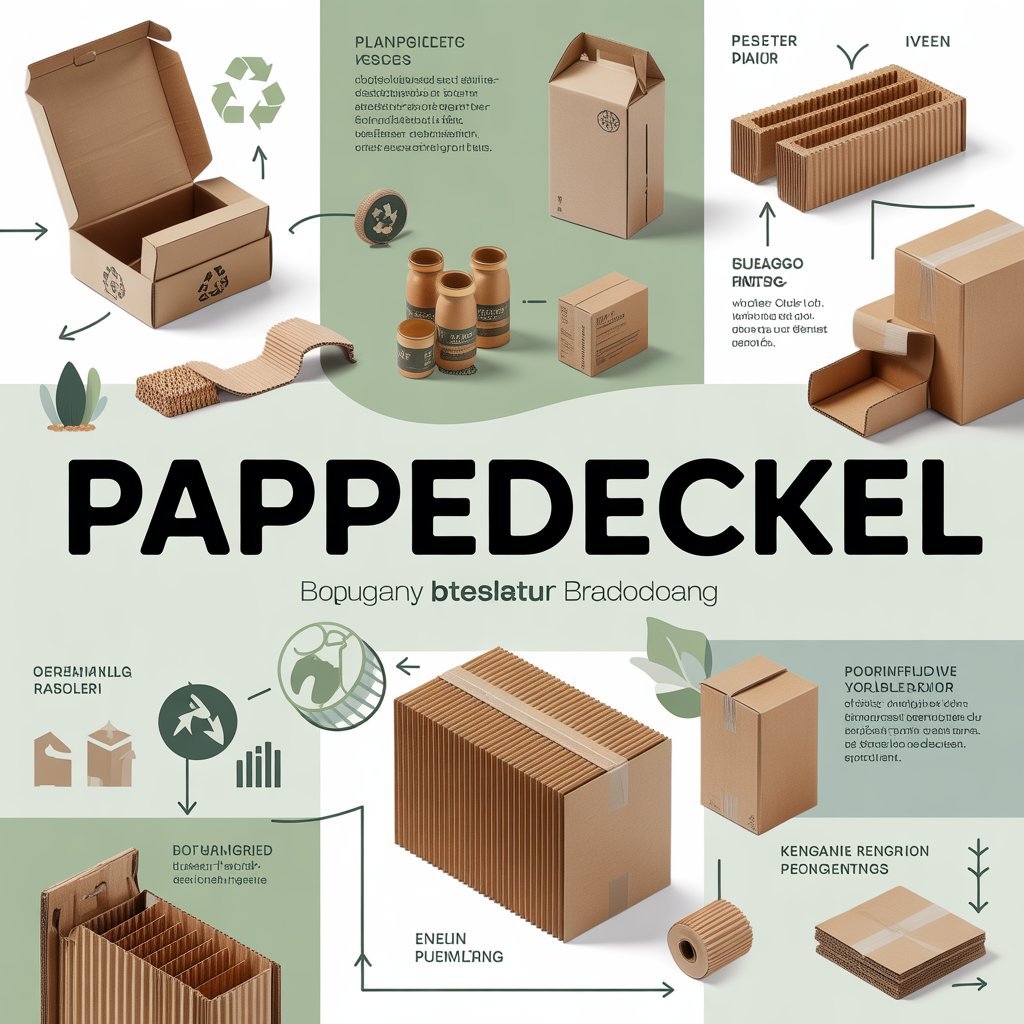
Pappedeckel is a widely used material that plays a crucial role in packaging, storage, crafts, and industrial applications, yet many people do not fully understand its importance or versatility. The term “pappedeckel” generally refers to thick cardboard or paperboard, known for its durability, lightweight structure, and adaptability across many industries. From product packaging and protective covers to creative DIY projects and sustainable solutions, pappedeckel has become an essential material in both commercial and household environments. As the world increasingly shifts toward eco-friendly alternatives to plastic, pappedeckel has gained even more relevance due to its recyclable nature and minimal environmental impact.
In today’s digital and environmentally conscious era, understanding what pappedeckel is and how it can be used effectively is valuable for businesses, consumers, and creatives alike. Whether you are searching for cost-effective packaging materials, sturdy cardboard solutions, or sustainable options for everyday use, pappedeckel stands out as a practical and responsible choice. This comprehensive guide explores the meaning, types, benefits, and real-world applications of pappedeckel, helping you understand why it continues to be in high demand across multiple industries.
What Is Pappedeckel?
Pappedeckel is essentially a thick, rigid form of cardboard made from compressed paper fibers, designed to offer strength and stability while remaining lightweight and flexible enough for various uses. Unlike thin paper or basic cardboard sheets, pappedeckel is manufactured to provide added durability, making it suitable for protective packaging, box covers, bookbinding, and structural support in many products. The production process involves layering and compressing recycled or virgin paper pulp, which results in a material that balances firmness with sustainability.
One of the defining characteristics of pappedeckel is its adaptability, as it can be cut, folded, printed on, and shaped according to specific requirements. This makes it highly valuable for manufacturers and designers who need a reliable yet customizable material. Because pappedeckel is typically made from paper-based resources, it aligns well with modern sustainability goals, offering a recyclable and biodegradable alternative to plastic or synthetic materials.
Common Uses of Pappedeckel in Everyday Life
Pappedeckel is used in countless ways, both commercially and personally, making it one of the most versatile paper-based materials available. In packaging, pappedeckel is commonly used for box lids, protective inserts, backing boards, and separators that keep products safe during shipping and storage. Its rigid structure helps prevent damage while maintaining a professional appearance, which is especially important for retail packaging and e-commerce deliveries.
Beyond packaging, pappedeckel is widely used in crafts, education, and creative industries. Artists and students often rely on pappedeckel for model making, drawing boards, and presentation materials because it is easy to work with and affordable. In offices and homes, it is frequently used for file covers, bookbinding, storage organizers, and document protection. The combination of strength, accessibility, and low cost makes pappedeckel a go-to material for both functional and creative purposes.
Types of Pappedeckel and Their Applications
There are several types of pappedeckel available, each designed for specific uses and performance requirements. Greyboard pappedeckel is one of the most common varieties, known for its dense structure and use in book covers, rigid boxes, and backing boards. White pappedeckel, on the other hand, offers a cleaner and more polished surface, making it suitable for printing, packaging design, and premium product presentation.
Another popular type is laminated pappedeckel, which features a coated or layered surface that enhances moisture resistance and durability. This type is often used in food packaging, storage boxes, and industrial applications where extra protection is required. By choosing the right type of pappedeckel, businesses and individuals can ensure optimal performance while maintaining cost efficiency and environmental responsibility.
Benefits of Using Pappedeckel
One of the greatest benefits of pappedeckel is its sustainability, as it is typically made from recyclable paper fibers and can be reused or repurposed multiple times. This makes it an environmentally friendly option for companies looking to reduce their carbon footprint and comply with eco-friendly packaging standards. In addition to its environmental advantages, pappedeckel is also cost-effective, offering a strong and reliable solution without the high expenses associated with plastic or metal alternatives.
Pappedeckel also provides excellent versatility, allowing it to be customized in size, thickness, and finish to suit a wide range of applications. Its lightweight nature reduces shipping costs, while its rigidity ensures product protection and structural stability. These combined benefits explain why pappedeckel continues to be widely used across industries such as packaging, publishing, crafts, and manufacturing.
Pappedeckel and Sustainability in the Future
As sustainability becomes a global priority, pappedeckel is expected to play an even larger role in the transition toward eco-friendly materials. Many companies are replacing plastic packaging with cardboard-based solutions, including pappedeckel, to meet consumer demand for greener products. Advances in recycling technology and material innovation are also improving the quality and durability of pappedeckel, making it suitable for more demanding applications.
The future of pappedeckel looks promising, particularly as regulations and consumer awareness continue to push industries toward sustainable practices. By choosing pappedeckel, businesses not only contribute to environmental protection but also align themselves with modern values of responsibility and efficiency.
Conclusion: Why Pappedeckel Remains a Smart Choice
Pappedeckel is more than just thick cardboard; it is a practical, versatile, and sustainable material that meets the needs of modern packaging, storage, and creative projects. Its durability, affordability, and eco-friendly nature make it an ideal solution for businesses and individuals alike. Whether used for protective packaging, crafts, or organizational purposes, pappedeckel continues to prove its value in a wide range of applications.
As industries and consumers increasingly prioritize sustainability and efficiency, pappedeckel stands out as a reliable and forward-thinking choice. Understanding its uses, benefits, and potential allows you to make informed decisions while supporting environmentally responsible practices.
Frequently Asked Questions (FAQ)
What is pappedeckel used for?
Pappedeckel is commonly used for packaging, box covers, bookbinding, crafts, storage solutions, and protective backing due to its strength and versatility.
Is pappedeckel environmentally friendly?
Yes, pappedeckel is typically made from paper fibers and is recyclable and biodegradable, making it an eco-friendly alternative to plastic materials.
What are the main types of pappedeckel?
Common types include greyboard pappedeckel, white pappedeckel, and laminated pappedeckel, each designed for different levels of strength and appearance.
Can pappedeckel be customized?
Pappedeckel can be easily cut, shaped, printed, and laminated, allowing for extensive customization based on specific needs.
Why is pappedeckel popular in packaging?
Its lightweight structure, durability, cost-effectiveness, and sustainability make pappedeckel a popular choice for packaging across many industries.
