
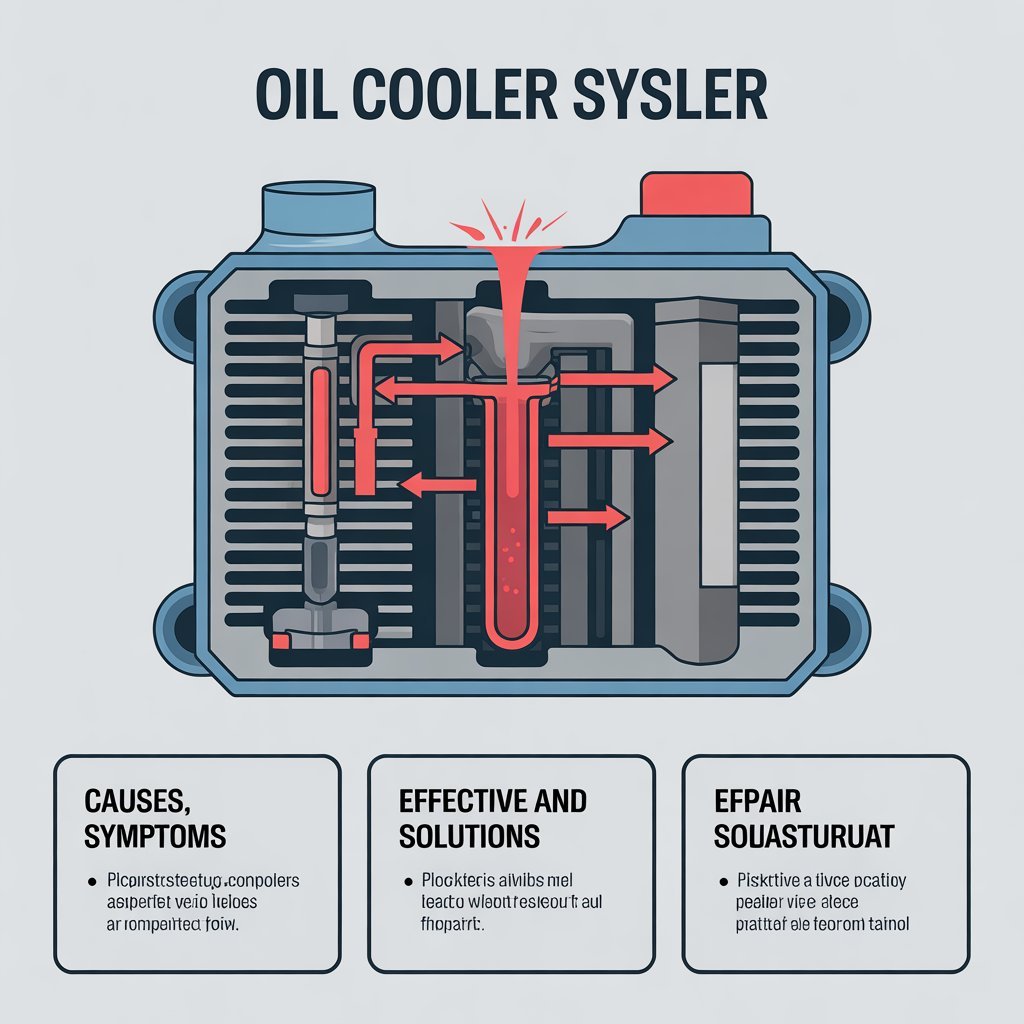
An oil cooler leak is one of the most critical issues your vehicle can face, yet it often goes unnoticed until it causes significant engine damage. Oil coolers are essential components designed to maintain optimal engine temperatures by regulating the oil flow and dissipating heat. When a leak occurs, it not only reduces the efficiency of your engine but also increases the risk of overheating, oil contamination, and eventual engine failure. Understanding the causes, recognizing the symptoms, and knowing how to repair an oil cooler leak is crucial for every vehicle owner. In this article, we will explore the common reasons behind oil cooler leaks, the warning signs that indicate a problem, and the most effective solutions, whether you choose to handle it yourself or hire a professional.
Causes of Oil Cooler Leak
Oil cooler leaks can occur for several reasons, often related to wear and tear, poor maintenance, or manufacturing defects. One of the most common causes is corrosion, especially in older vehicles or cars exposed to humid climates or road salts. Over time, the metal surfaces of the oil cooler may weaken, leading to small cracks or pinholes where oil can escape. Another frequent cause is high engine pressure, which can stress the cooler hoses and seals beyond their capacity, particularly if your vehicle has been modified for higher performance or regularly driven under extreme conditions. Improper installation or damaged gaskets and seals can also result in oil seepage, as even minor misalignments or degraded rubber components fail to create a proper seal. Finally, accidents or debris from the road can physically damage the oil cooler, puncturing its surface and creating leaks that need immediate attention.
Symptoms of an Oil Cooler Leak
Recognizing an oil cooler leak early can save you thousands in engine repairs. The first and most obvious symptom is visible oil under your vehicle, often appearing as dark puddles on your garage floor or driveway. Another indicator is engine overheating, as the leaking oil reduces the cooler’s ability to regulate temperature. Drivers may also notice low oil levels despite regular top-ups, which is a clear sign that the oil is escaping somewhere in the system. In some cases, a burning oil smell can emerge when leaking oil drips onto hot engine components. Additionally, you may experience reduced engine performance or warning lights on your dashboard, particularly the oil pressure or temperature indicators. Ignoring these symptoms can quickly lead to severe engine damage and costly repairs.
How to Fix an Oil Cooler Leak
Fixing an oil cooler leak depends on the severity and location of the leak. For minor leaks caused by loose fittings or damaged gaskets, a simple replacement of the gasket or tightening of fittings can resolve the issue. If corrosion or cracks are the cause, the entire oil cooler may need to be replaced, as patching metal components is generally unreliable and unsafe for long-term performance. For those comfortable with DIY repairs, it’s crucial to drain the oil, remove the cooler carefully, and replace it with a compatible part according to manufacturer specifications. Applying sealants or temporary fixes is not recommended, as this can worsen the problem over time. Professional repair services offer the advantage of proper diagnostics, pressure testing, and guaranteed workmanship, ensuring your vehicle’s engine operates safely and efficiently after repair.
Preventing Oil Cooler Leaks
Preventing an oil cooler leak is often easier than fixing one. Regular engine maintenance, including oil changes, filter replacement, and inspection of hoses and seals, reduces the risk of leaks. Ensuring that the engine operates within safe temperature limits and avoiding high-pressure modifications can also extend the life of your oil cooler. Using high-quality, compatible parts when replacing components is essential to prevent premature failure. For vehicles exposed to harsh environments, periodic cleaning and inspection of the oil cooler for corrosion or debris is highly recommended. These proactive measures can significantly reduce the likelihood of leaks and prolong engine longevity.
Conclusion
An oil cooler leak may seem minor initially, but ignoring it can lead to major engine failures and expensive repairs. Understanding the causes, recognizing the symptoms, and addressing the issue promptly—whether through professional services or careful DIY repair—can save both money and stress. Prevention remains the best approach: consistent maintenance, timely inspections, and using high-quality parts ensure that your oil cooler performs reliably for years to come. By staying vigilant and informed, you can protect your engine and maintain peak performance while avoiding the pitfalls of unexpected leaks.
FAQ: Oil Cooler Leak
Q1: Can I drive my car with an oil cooler leak?
Driving with an oil cooler leak is risky. Even a small leak can lower oil pressure and cause engine overheating, which may lead to catastrophic engine failure. It’s best to address the leak immediately.
Q2: How much does it cost to repair an oil cooler leak?
Repair costs vary depending on the severity of the leak and whether you opt for DIY or professional repair. Minor gasket fixes can cost $50-$150, while full oil cooler replacements may range from $300-$700 or more, including labor.
Q3: How long does it take to fix an oil cooler leak?
A minor repair can be done in 1-2 hours, while a full replacement might take 3-5 hours depending on the vehicle make and model.
Q4: Can an oil cooler leak cause engine damage?
Yes. If untreated, an oil cooler leak can lead to low oil levels, overheating, and severe engine damage, which can be very costly to repair.
Q5: How can I prevent oil cooler leaks?
Regular maintenance, inspections for corrosion, replacing worn seals, and using high-quality oil and parts can prevent leaks and prolong the life of your oil cooler.
